Retaining Walls & Concrete Masonry
Control erosion and create usable space with expertly built retaining walls and masonry structures.
Solve Slope and Drainage Problems
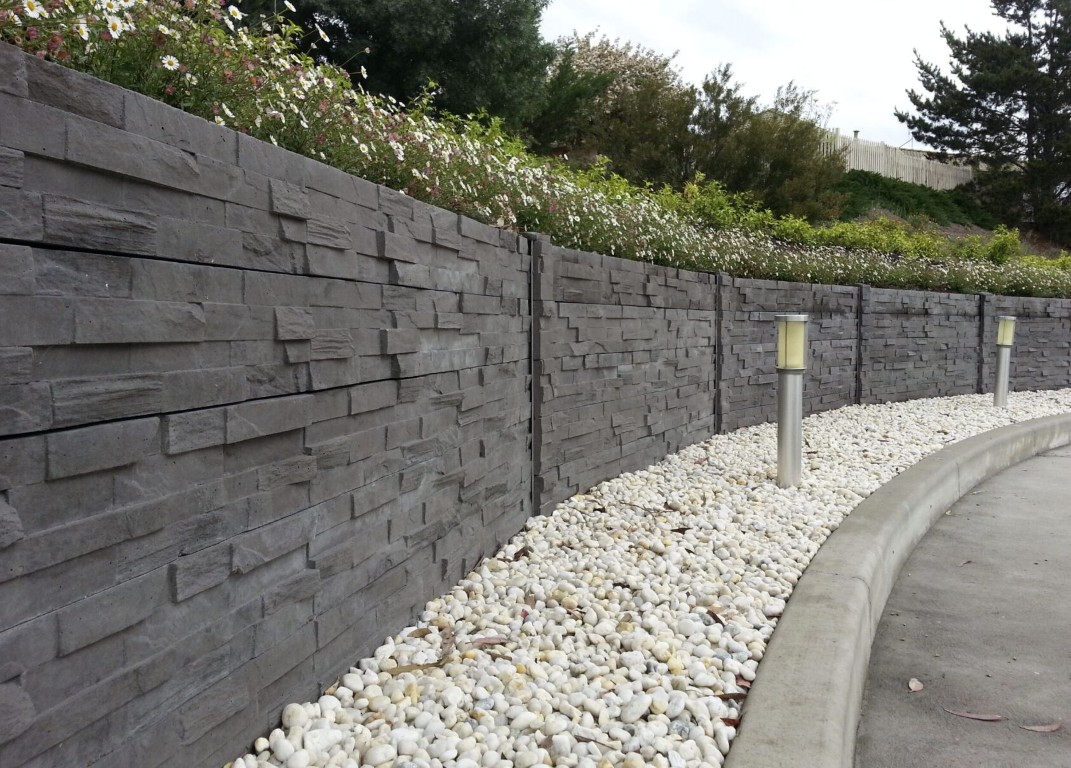
If your property has slopes, erosion issues, or uneven terrain, a retaining wall can solve those problems while adding usable space. Retaining walls hold back soil, prevent erosion, and create level areas for landscaping, patios, or gardens. They also direct water flow to prevent flooding and property damage. A well-built retaining wall is both functional and attractive.
Here in Bradenton, we deal with sandy soil, heavy rain, and occasional flooding. These conditions make proper drainage and erosion control critical. A retaining wall is not just stacked blocks. It needs proper foundation, drainage system, and engineering to withstand the forces pushing against it. When you work with experienced masonry contractors, you get a wall that will hold up for decades, not just a few years.
Retaining walls also add visual interest to your landscape. You can use different materials, colors, and patterns to create walls that complement your home and surroundings. Whether you need a short decorative wall for a garden bed or a tall structural wall to hold back a hillside, we have the expertise to build it correctly.
Types of Retaining Walls and Masonry
We build several types of retaining walls and masonry structures, each suited to different applications and aesthetics. The right choice depends on the height needed, soil conditions, appearance preferences, and budget.
Concrete Block Retaining Walls
Interlocking concrete blocks are popular for retaining walls because they are strong, affordable, and come in many styles. These blocks stack together without mortar, using their weight and interlocking design for stability. They work well for walls up to four feet tall. Taller walls require engineering and additional reinforcement. Block walls offer flexibility in design and can create curves and corners easily.
Poured Concrete Walls
For taller walls or areas requiring maximum strength, poured concrete is the best choice. We build forms, install reinforcing steel, and pour concrete to create a monolithic wall. These walls can be finished smooth, textured, or faced with stone or brick for appearance. Poured walls are ideal when you need serious structural support or want a specific custom look. Contractors who specialize in concrete retaining walls use this same method for high-load applications across a range of residential and commercial sites.
Natural Stone Walls
Natural stone creates beautiful, rustic retaining walls that blend into the landscape. We use locally sourced stone when possible to match the regional character. Stone walls can be dry-stacked for lower walls or mortared for added strength. While more expensive than block, stone walls offer timeless appeal and can increase property value significantly.
Decorative Masonry
Beyond retaining walls, we build other masonry structures like pillars, columns, outdoor kitchens, fire pits, and planters. These elements add functionality and beauty to your outdoor spaces. We can match or complement your existing hardscaping and architecture. Many homeowners combine retaining walls with patio projects to create complete outdoor living areas.
Building Walls That Last
A retaining wall holds back tons of soil and water pressure. If it is not built correctly, it will fail. We have seen many poorly built walls that lean, crack, or collapse within a few years. Proper construction requires understanding soil mechanics, drainage, and structural principles.
Critical Construction Elements
- Foundation: Every retaining wall needs a solid, level foundation below the frost line. We excavate a trench, compact the base, and often pour a concrete footing for stability.
- Drainage: Water buildup behind the wall creates enormous pressure. We install drainage pipes, gravel backfill, and weep holes to relieve this pressure and prevent failure.
- Reinforcement: Taller walls or those holding back steep slopes need reinforcement. This might include geogrids, tiebacks, or steel reinforcing depending on the wall type and height.
- Backfill: Proper backfill material and compaction prevent settling and reduce pressure on the wall. We use gravel or other free-draining materials behind the wall.
- Caps and finishing: Cap stones or top courses protect the wall and give it a finished appearance. Proper caps also prevent water from entering the top of the wall.
For walls over four feet tall, engineering is typically required by building codes. We work with structural engineers to design walls that meet code requirements and handle site-specific conditions. The permit and inspection process ensures your wall is built safely.
We also consider how the retaining wall affects the rest of your property. Will it change drainage patterns? Does it need steps or access points? How will it connect to existing hardscaping? These details matter for long-term function and appearance. Our experience with both retaining walls and other concrete work like walkways and steps lets us create integrated solutions that work together. The same structural discipline applies to all lateral-load work, as any specialist in concrete retaining walls will confirm.